


IDDEF Continues to Support People with Disabilities in Guinea
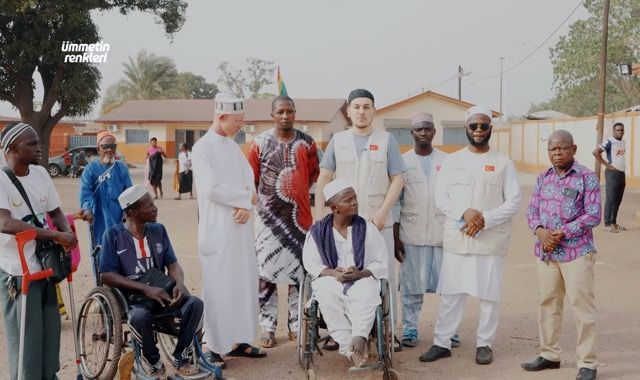
IDDEF Teams visited the neighborhood known as the Ratoma Center for Persons with Disabilities in Conakry, the capital of Guinea, where only people with disabilities live, and highlighted the challenging lives of some of Africa’s most disadvantaged individuals on the IDDEF TV YouTube channel.
People with disabilities striving to hold on to life in the Ratoma Center for Persons with Disabilities face serious physical, economic, health, and social challenges. Several families try to live together in small houses while struggling to meet their daily needs, from cleaning to preparing meals. Difficulties in accessing food, education, transportation, and basic necessities make life even harder for people with disabilities. However, the projects carried out by IDDEF in the region play a significant role in helping overcome these challenges. With the support of donors, IDDEF provides daily iftar meals and food packages in this area throughout the year, especially during Ramadan. During Eid al-Adha, Qurban meat entrusted by donors is distributed to families in need.
IDDEF not only supports the families and children living in the Ratoma Center for Persons with Disabilities, but also enables visually impaired individuals to receive literacy education, Qur’an studies, fiqh, seerah, and Islamic sciences through a project implemented at the Mahmud Ustaosmanoğlu Complex. It is particularly noteworthy that visually impaired individuals regain confidence through education, reconnect with life, and participate more actively in society. These efforts contribute not only to personal development but also to social transformation.

As part of the project carried out by IDDEF, special educational programs are implemented for visually impaired individuals. Students who learn Arabic through the Braille alphabet receive instruction in the Qur’an, fiqh, seerah, and other Islamic sciences, alongside fundamental educational training.
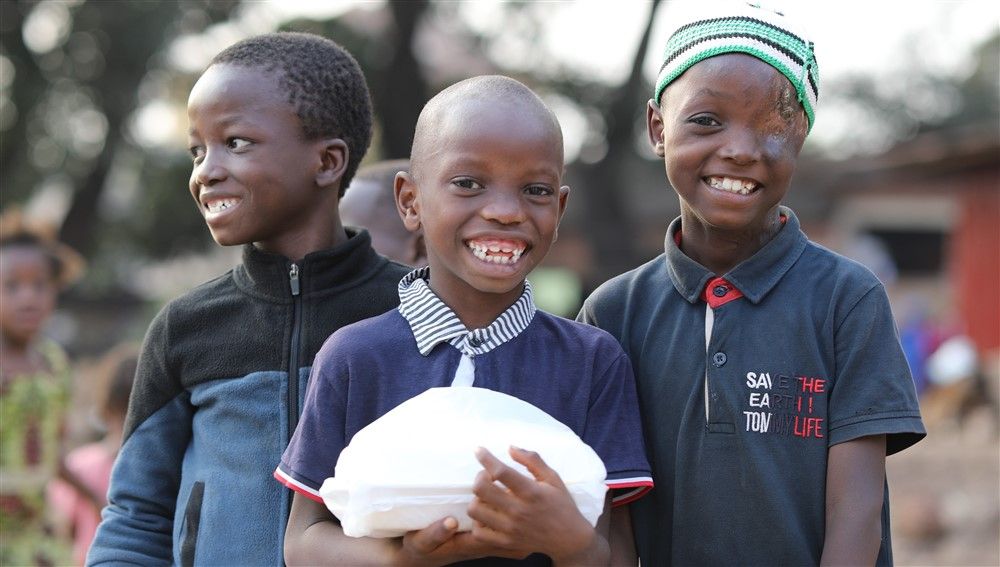
All educational expenses of the students participating in the project are covered, including Braille typewriters, specialized stationery supplies, transportation, and meals.
The initiatives in Guinea aim to support people with disabilities not only physically, but also socially and psychologically. Visually impaired individuals who struggle with multiple challenges such as poverty, lack of education, and discrimination are regaining hope through this project.

Our News
READ ALL NEWS

IDDEF is a Non-Profit Islamic organization based in Istanbul, Türkiye. It was established to spread education and provide humanitarian aid support.

